Tightening access control normally slows people down. Queues form at turnstiles, contractors wait at the boom, and staff prop doors open to get work done — which quietly defeats the control that was just installed. Facial recognition is one of the few measures that improves accountability without adding friction.
The problem
Throughput and accountability usually fight each other.
Identification without contact
Enrolled individuals are recognised at doors, turnstiles and vehicle entrances without presenting anything, which keeps throughput high at busy entrances — and removes the paper register that nobody can search afterwards.
Alerting on known individuals
Matching against a watchlist raises an alert when a person of interest is detected — used in retail against known repeat offenders and organised groups.
A photograph will not open the door
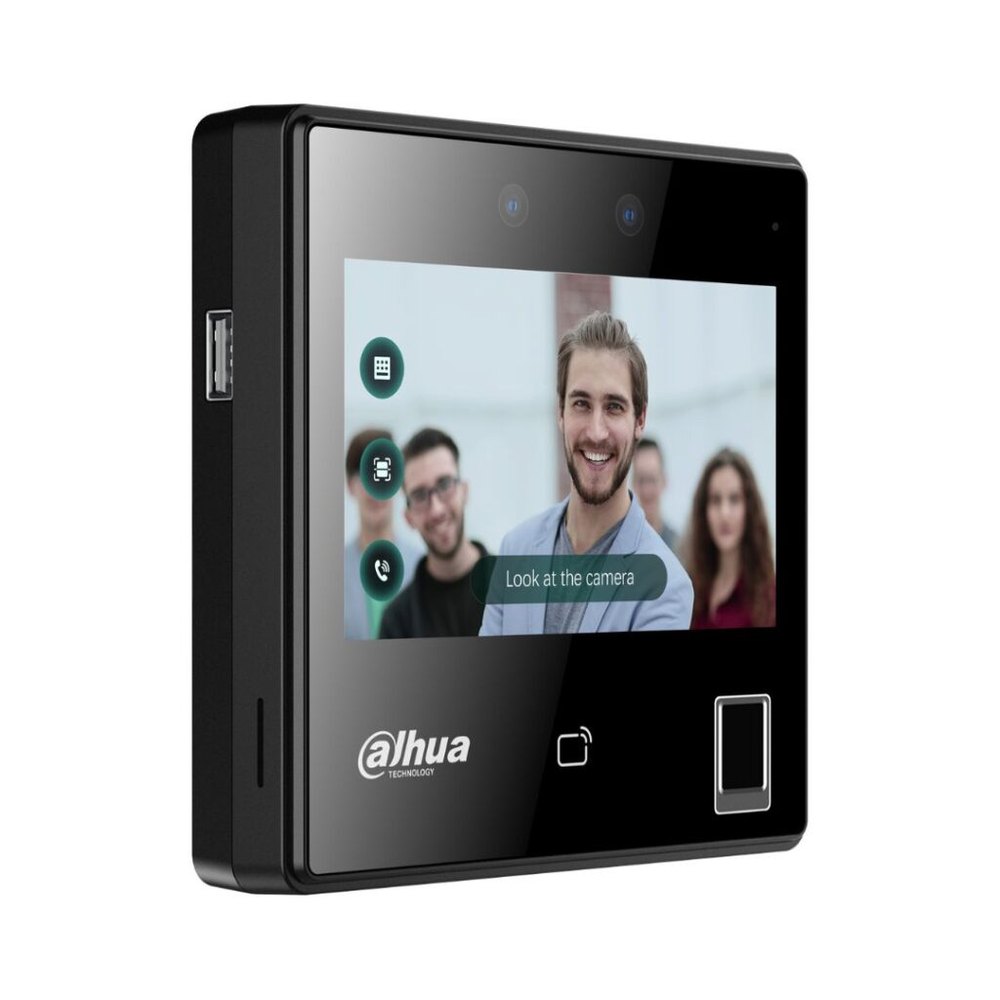
The obvious objection to facial recognition is whether someone can simply hold up a picture. Modern readers use liveness detection and dual-lens depth sensing to distinguish a living face from a photo or a video on a phone. We specify readers that do this, because one that does not is worse than a card.
A trail that means something
Access events tie to an identified person and to footage, producing an audit trail that stands up in a disciplinary process or an insurance dispute.
Consent, retention and purpose
Facial data is special personal information under POPIA. Lawful processing, defined retention and a clear purpose are design requirements, not paperwork added afterwards.
Recognised, not queued.
Where it fits
An honest note on limitations.
Facial recognition performs well with cooperative subjects at controlled entrances, and less well across a wide area with poor angles or lighting. We will tell you where it will work on your site and where a different control is a better use of the budget. It also carries real compliance obligations in South Africa, and those need a decision from you rather than an assumption from us.
Book a free site assessment.
Tell us about your site and we will come back within one business day. No obligation, no pressure.