Access control built on cards and codes records the credential, not the human. Cards are lent to colleagues, codes are shared, and both are used long after somebody has left. When an incident is investigated, the log shows which card opened the door and nothing about who was holding it.
The problem
Cards get shared, lost and cloned.
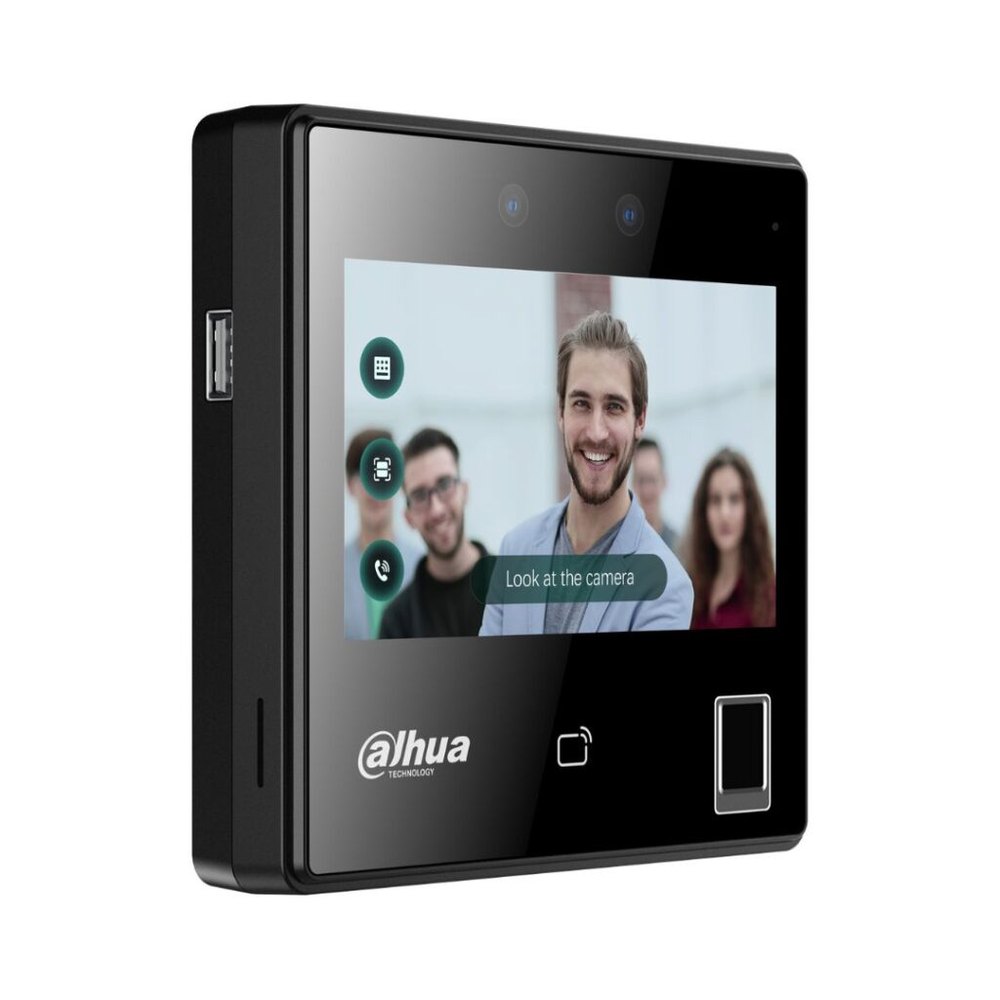
Facial recognition
Hands-free identification at doors, turnstiles and boom entrances, matched against an enrolled population and integrated with the camera estate.
Fingerprint
Proven, cost-effective biometric verification for controlled doors, time-and-attendance and high-accountability areas such as cash offices and stockrooms.
Access events seen in context
Every credential event is tied to footage and alarm state, so the question is never just whether the door opened but what happened on either side of it.
Personal information, handled properly
Biometric data is special personal information under POPIA. We design enrolment, storage, retention and access around that from the start, rather than treating it as a later problem.
Where it fits
Where it fits.
Biometrics matter most where accountability matters more than convenience: cash offices, stockrooms, server rooms, plant areas and estate entrances. In retail specifically, controlled stockroom access with an individual audit trail is one of the five core controls in the 360° Shrink Control framework.
Book a free site assessment.
Tell us about your site and we will come back within one business day. No obligation, no pressure.